Estonia, Latvia, and Lithuania, collectively known as the Baltics, are three small countries that most of the world finds pretty much indistinguishable. As a geopolitical term, ‘the Baltics’ took root only in the 20th century. The more distant past and cultural history of the three countries differ on several levels.
Perhaps it is namely in defiance against externally imposed homogenising simplifications that we tend to turn to more distant places for inspiration and view local trends and tendencies as something confined only to national borders.
However, anxious times encourage unity, urging us to discover and interpret our identities ourselves instead of letting others define us. In order to be carried and consolidated not only by fear, but also joy, pleasure, and curiosity we invite to discover commonalities and peculiarities of the Baltic countries!
Wide breadth, blurred boundaries, ambiguous endings and beginnings—the charm of the Baltic condition is not easy to grasp. But as Latvians say, per Reinis Salins: ‘Katram savs stūrītis’ (‘Everyone has their own corner’).
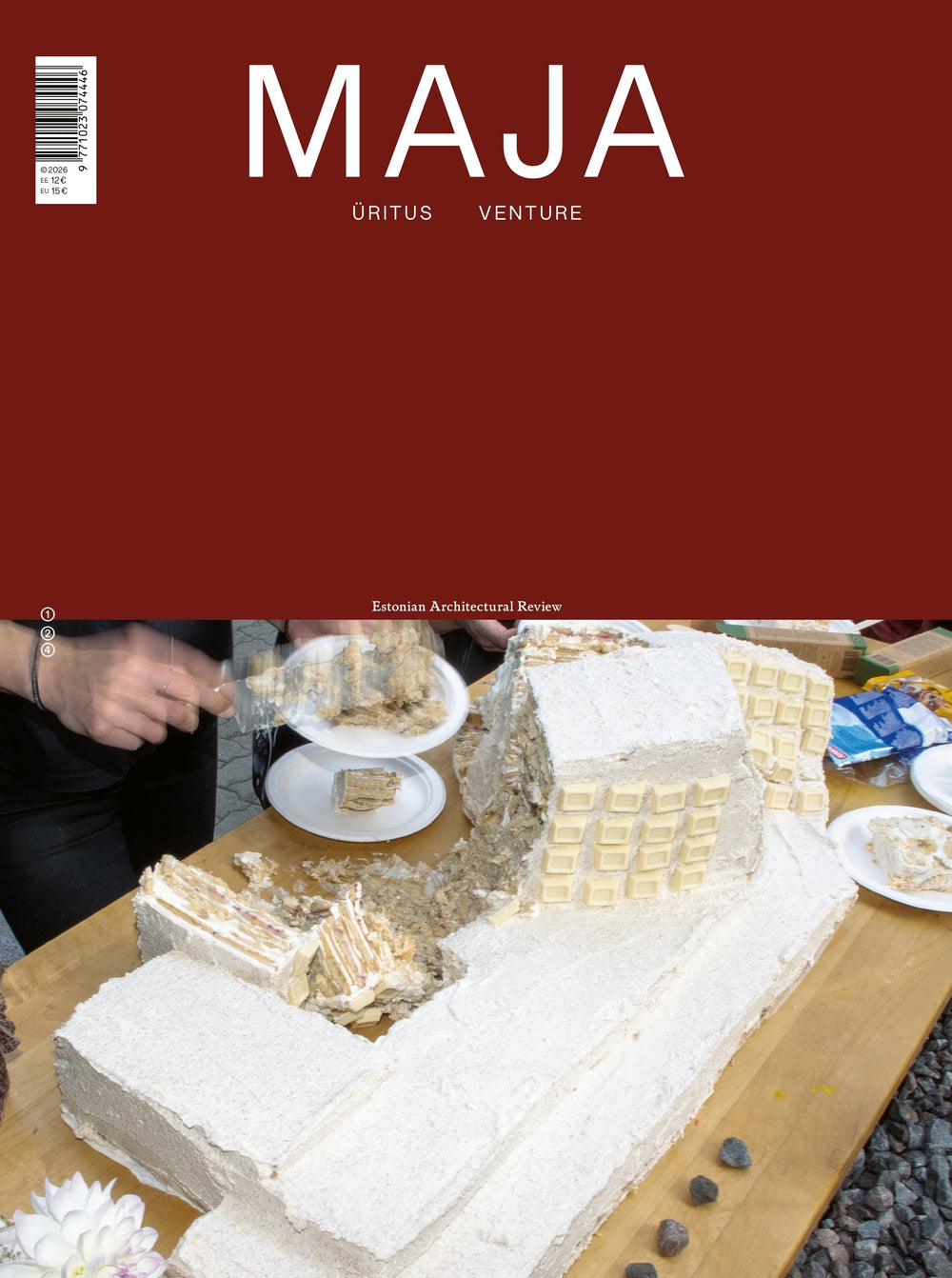
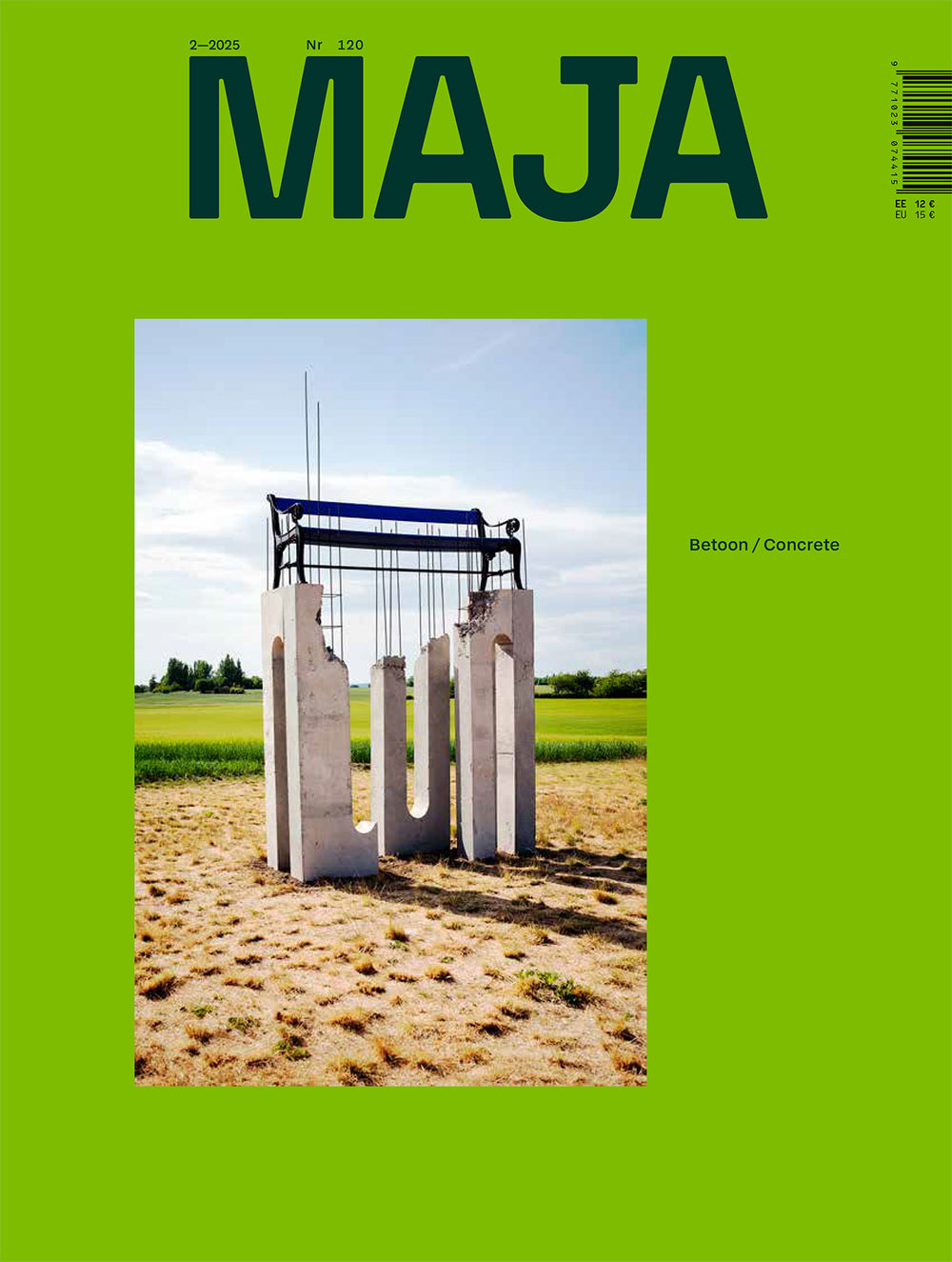
MAJA is a quarterly architectural review and spatial culture magazine in Estonia. Established in 1994, it provides an English and Estonian platform for architects, urban planners, and designers to analyze spatial design, architecture, and environmental issues.
2025, MTÜ Arhitektuurikirjastus, 285x215mm, 120 pp., Estonian/English, ISSN 9771023074408